What would you do if a single moment left you searching for answers, knowing your account must be supported by evidence? Sexual assault claims in Louisville, Kentucky, often depend on how clearly the available evidence supports what is reported. Courts and investigators examine how different forms of evidence work together to establish credibility, timing, and the absence of consent.
Medical records, witness statements, digital messages, and physical documentation are often reviewed together to build a complete picture. Each piece adds context and helps confirm whether the overall account remains consistent over time. When details align across sources, the claim becomes clearer and more reliable.
Kentucky law focuses on whether a person agreed to the act and had the capacity to make that decision at the time. Situations involving force, coercion, or impairment are examined closely because they directly affect whether valid consent could exist. An experienced sexual assault attorney in Louisville can help assess how this standard applies to the evidence.
Key Takeaways
- Sexual assault claims in Kentucky rely on medical records, witness accounts, digital evidence, and consistent reporting.
- Early documentation, including forensic exams and police reports, helps preserve evidence and strengthen credibility.
- Courts evaluate how evidence aligns across sources to confirm timing, consent, and the overall reliability of the claim.
- Acting early and seeking legal guidance can help protect evidence and support a stronger, clearer case.
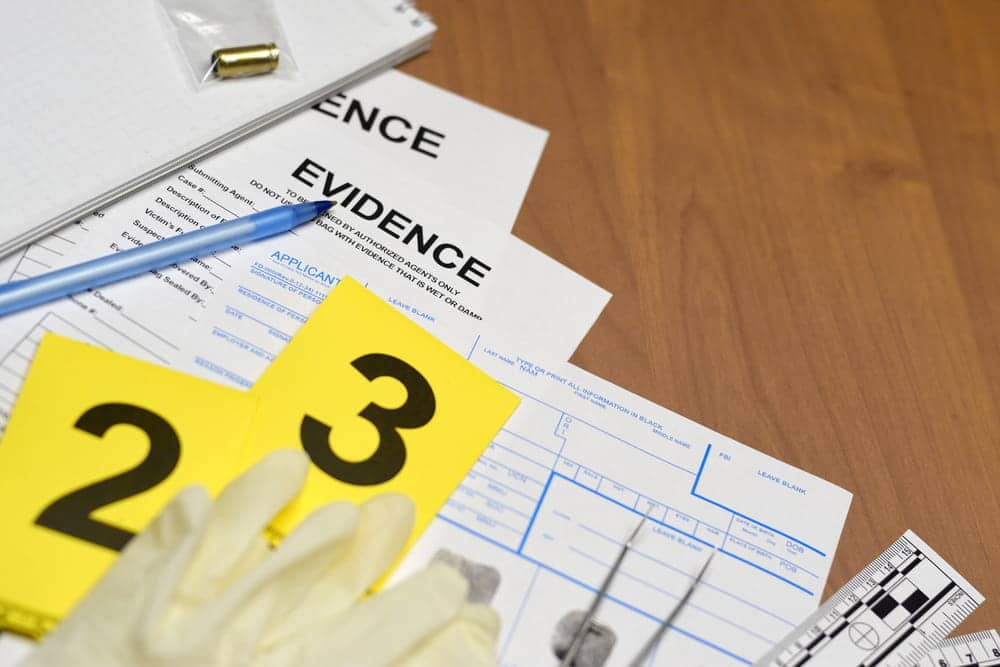

Physical Evidence That Can Directly Support a Claim
Physical evidence often shows what words alone cannot fully explain. It helps connect events and supports the reported account with tangible details.
Medical Examinations and Forensic Findings
Medical examinations create an early record after an incident is reported and help document injuries that may indicate force or resistance. Because these records are created close to the event, they can carry added weight when the facts are reviewed later. Forensic testing may also include biological samples that help confirm or clarify contact between individuals. When these findings align with other evidence, they strengthen the overall claim.
Clothing, Injuries, and Environmental Indicators
Clothing and personal items can contain physical traces that support accounts of interaction. These materials may reveal biological evidence or signs of contact that help explain what occurred. Photographs of injuries or surroundings can also show timing and whether a struggle took place. When reviewed together, these elements help create a more consistent and understandable account.
How Early Documentation Strengthens the Evidence
Early documentation preserves important details and reduces the risk of losing critical information. It also supports consistency by recording events close to when they occurred.
Forensic Exams and Immediate Documentation in Louisville
- In Louisville, forensic exams conducted through UofL Hospital SAFE Services create detailed records that help establish an early timeline.
- These records often include observations, collected samples, and documented injuries soon after the report.
- Acting quickly can preserve details that may fade or become harder to verify with time.
- Early documentation strengthens credibility and supports the reported sequence of events.
Police Reports and Initial Case Development
- The Louisville Metro Police Department Special Victims Unit gathers statements, timelines, and supporting evidence during the early stages of a case.
- These reports organize the facts early and give investigators and attorneys a clear reference point as the case develops.
- Recording details early reduces the risk of gaps or inconsistencies over time.
- As the case progresses, these reports often serve as a reliable reference point.


How Statements and Witness Accounts Build Credibility
Statements and witness accounts add context that physical evidence alone may not provide. They help show how events unfolded and whether key details remain consistent.
Consistency in the Reporting Party’s Account
A consistent account supports credibility by showing that key details remain steady across different stages of the case. Minor differences may occur, but the overall narrative should remain clear when compared with other evidence. When statements align with medical findings or timelines, they carry greater weight. This consistency helps others understand the sequence of events with more confidence.
Observations That Confirm Surrounding Circumstances
Witnesses may describe what they saw or noticed before or after the incident. These observations can include a person’s condition, behavior, or interactions that add important context. Even brief details can help confirm timing and support the reported account. When combined with other evidence, they help form a more complete picture.
How Digital Evidence Helps Confirm Key Details
Digital records often provide time-based information that helps clarify when events occurred. They support timelines by showing communication, movement, and activity.
Messages, Calls, and Time-Stamped Activity
Text messages and call logs can show patterns of communication before or after the incident. These records may confirm contact and help establish when interactions took place. Time-stamped data can also suggest movement or presence, depending on the source. When reviewed together, these details help build a clearer timeline.
When Digital Records Align With Other Evidence
Digital records can reflect a person’s condition or response soon after the incident. Messages may show confusion, distress, or attempts to address what occurred. When these records match medical findings or earlier statements, they reinforce consistency. This alignment often strengthens the overall credibility of the claim.
Legal Boundaries That Shape What Evidence Matters
Courts set limits on what evidence can be considered during a case. These rules help keep the focus on relevant facts tied to the incident.
Restrictions on Introducing Irrelevant Personal History
- Courts limit evidence that shifts attention away from the incident and toward unrelated personal history.
- This approach helps prevent unfair assumptions that are not directly connected to the claim.
- Kentucky Rules of Evidence Rule 412 restricts the manner in which certain background information may be introduced.
- These limits help ensure the focus remains on facts that are directly relevant to the case.
Why Corroboration Strengthens a Claim
- Evidence becomes more reliable when multiple sources support the same version of events.
- Courts often look for consistency across medical findings, statements, and recorded information.
- When different forms of evidence align, they reduce doubt and clarify what occurred.
- That consistency can make the overall account easier to evaluate and harder to dismiss.

How Evidence Works Together in Practice
Evidence is reviewed as a whole rather than in isolation. When pieces connect clearly, they create a more complete and reliable account.
When Multiple Sources Support the Same Account
A claim supported by medical findings, preserved items, and communication records becomes stronger when these elements point to the same sequence. Each source adds context and confirms the account from a different angle. When details align, they reduce uncertainty and strengthen credibility. This clarity helps others understand what occurred.
When Supporting Evidence Still Exists After Delayed Reporting
Some individuals report an incident later, but still have important records available. Saved messages or later medical evaluations can still help support the reported account. When these records align with the statement, they confirm key details despite the delay. This connection helps maintain a clear and supported claim.
Contact a Sexual Assault Lawyer in Louisville
Sexual assault claims in Louisville, Kentucky, rely on evidence that works together to show credibility, timing, and lack of consent. Medical records, witness observations, digital communication, and consistent reporting each help support the claim.
Courts focus on how these elements align rather than relying on a single piece of proof. An experienced lawyer can help review your situation and ensure the evidence is presented clearly and effectively. Speaking with an experienced sexual assault attorney early can help preserve important evidence and prevent avoidable mistakes.
At HSGLaW Group, we understand how difficult it can be to take the first step after a sexual assault. Our team carefully reviews the details, explains your options, and works to protect your rights throughout the process. We focus on building a clear, well-supported case so you can move forward with confidence. Contact us today or call 833-4HSGLAW to discuss your situation in a private setting.