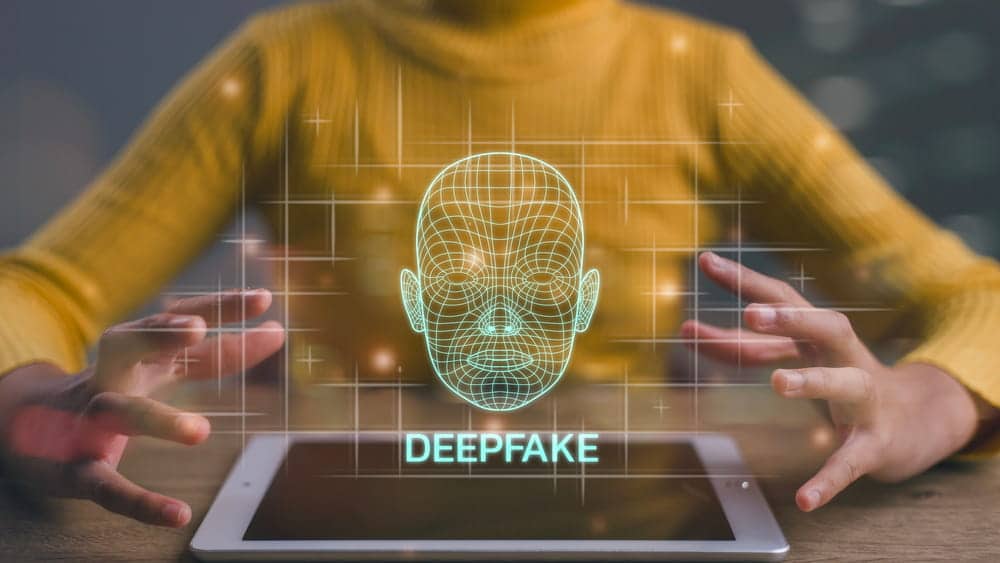
Imagine discovering a realistic image of yourself online that you never created or approved. AI-generated image abuse in Nashville involves manipulated or fully synthetic visuals that falsely depict a person, often without consent, including deepfakes and altered photos. These images can place individuals in situations that never happened, creating confusion and immediate personal harm.
As these tools become easier to access, misuse has led to new forms of harassment, reputational damage, and serious privacy concerns. Once shared, false content can spread quickly across platforms, making it difficult to regain control. Many people only realize the impact after it begins affecting their work, relationships, or public image.
Tennessee law addresses this by restricting the sharing of private or intimate images without permission, even though no statute specifically names AI-generated images. It makes it unlawful to distribute such content without consent, even if the image was originally obtained lawfully. Since these situations can escalate quickly, speaking with sexual assault attorneys in Nashville early can help protect your rights and reduce the risk of further harm.
Key Takeaways
- AI-generated image abuse can create realistic, false content that quickly harms reputation, privacy, and personal relationships.
- Tennessee law prohibits sharing intimate or harmful images without consent, even when the original content was obtained legally.
- Courts review intent, distribution, and impact when evaluating cases involving digital image misuse and potential patterns of harassment.
- Acting quickly, preserving evidence, and seeking legal guidance can help limit harm and protect your future.

What AI-Generated Image Abuse Looks Like in Practice
AI-generated image abuse often appears subtle at first, yet the impact can be immediate and far-reaching. Understanding how these images are created and why they cause harm helps readers recognize the risks early.
How AI Tools Create False or Altered Images
AI tools can generate realistic faces or modify existing photos with remarkable accuracy. To do this, these systems analyze patterns and details to produce visuals that closely resemble real-life expressions and environments. As a result, even small changes can create convincing images that are difficult to question or verify.
Why These Images Create Legal Risk
These images may present actions or situations that never actually happened, which can mislead others quickly. When that happens, the person involved may face serious reputational damage and emotional strain. Over time, the spread of such content can also invade personal privacy and create lasting professional consequences.
How These Cases Move Through Nashville Courts
These cases often begin quickly, and early steps can shape how the situation develops. Understanding how local courts handle these matters helps individuals stay prepared and avoid early mistakes.
Court Structure and Case Progression in Davidson County
- Cases often begin in the Davidson County General Sessions Court, where initial hearings and charges are handled.
- The court reviews basic facts, sets conditions, and schedules future proceedings.
- More serious matters may be transferred to higher courts within Davidson County.
- These may include criminal or circuit courts, depending on the nature of the case.
Why Local Procedures Affect Case Outcomes
- Court timelines, expectations, and procedures can vary by jurisdiction.
- Nashville courts often review cases involving digital evidence such as online content.
- Electronic records may play an important role in how evidence is evaluated.
- Small procedural details can influence how a case progresses and how evidence is presented.
Who May Be Involved in AI Image Abuse Cases
These cases often involve more than one party, and each role carries different risks and responsibilities. Understanding who may be affected helps clarify how these situations develop and why they require careful handling.
Individuals Affected by Image Misuse
Victims may experience reputational harm, personal distress, or workplace consequences after false images circulate online. These situations can involve private individuals, public figures, or minors, depending on how the content is created or shared. As exposure increases, the impact often extends beyond personal life and into professional and social settings.
Legal and Investigative Roles in These Cases
Law enforcement may review devices, online platforms, and digital records to determine how the content was created and distributed. These investigations often focus on tracing sources, identifying responsible parties, and preserving key evidence. At the same time, attorneys evaluate whether the conduct supports criminal charges or civil claims based on the available facts.

What Happens After an AI-Generated Image Is Reported
Once an image is reported, the situation can move quickly, especially when content continues to spread online. Early steps often focus on securing evidence and understanding how the material was created and shared.
How Evidence Is Collected and Reviewed
Authorities examine how the image was created, stored, and distributed across different platforms. They review digital timestamps, metadata, and account activity to trace when and where the content appeared. This process helps establish how widely the image spread and whether the sharing was intentional.
How Tennessee Law Applies To Repeated Image Misuse
Repeated or targeted misuse may indicate conduct intended to harass or distress another person. When this pattern appears, the focus shifts from a single act toward ongoing behavior that continues to cause harm. Tennessee law recognizes this concern under Tenn. Code Ann. § 39-17-308, which addresses harassment in situations involving repeated actions.
What Courts Evaluate When Reviewing These Cases
Courts look beyond the image itself and focus on how the situation developed over time. Their review often centers on intent, impact, and whether the conduct shows a pattern.
Key Factors That Influence Legal Decisions
Courts consider intent, the level of distribution, and the harm caused by the image. They examine how widely the content spread and whether the sharing appeared deliberate or reckless. Patterns of repeated conduct are often treated more seriously than isolated incidents.
How a Fabricated Image Can Escalate Quickly
A person may discover an AI-generated image online that falsely depicts them in a compromising situation. Before they can respond, the image may spread among coworkers, employers, or social circles, shaping how others view them. As the content circulates, reputational harm can increase quickly and become difficult to control.

Legal Risks and Long-Term Consequences of Digital Image Cases
Legal exposure can grow quickly once an image spreads, especially across multiple platforms. Understanding both immediate risks and lasting effects helps individuals respond before the situation becomes harder to manage.
Potential Criminal and Civil Consequences
- Charges may involve unlawful distribution of images, harassment, or privacy-related violations.
- Authorities may examine how the image was shared and whether there was a clear intent behind the action.
- Civil claims may include defamation, invasion of privacy, or emotional distress.
- Both criminal and civil actions may proceed depending on the circumstances.
Long-Term Effects of Digital Image Abuse
- Online content can spread quickly and remain accessible over time.
- Images may continue circulating across platforms even after removal attempts.
- This ongoing exposure can make it harder to resolve the situation.
- Long-term visibility may affect reputation and future opportunities.
Call a Sexual Assault Attorney in Nashville
AI-generated image abuse raises serious concerns by combining new technology with established legal issues involving privacy and reputation. In Nashville, courts review how images are created, shared, and used within existing legal standards. Outcomes often depend on intent, distribution, and the level of harm caused in each case.
Understanding how these cases work helps individuals respond carefully and avoid early mistakes. Acting quickly and preserving digital evidence can limit further harm and support a stronger position. Working with a skilled sexual assault attorney in Nashville also helps ensure that each step is handled properly from the start.
At HSGLaW Group, we understand how overwhelming it can feel when false images begin affecting your reputation and personal life. Our team takes time to review your situation, explain your options clearly, and help protect your rights at every stage. Contact us today or call 833-4HSGLAW to speak with our team, who can guide you through the next steps. Take action early and let us help you take control of the situation and move forward with confidence.