Imagine discovering an image of yourself online that looks real but was never taken by a camera. The shock and confusion often lead people to ask, Are deepfake images illegal in Washington, D.C.? Under D.C. Code § 22–3053, image manipulation alone is not automatically a crime, and legality depends on how the image is used.
Liability most often arises when a deepfake depicts a real, identifiable person in sexual imagery without consent. Criminal exposure increases when the image is shared with the intent to cause harm, threaten reputation, or obtain financial benefit. The law focuses on impact, consent, and conduct rather than the technology used to create the image.
Understanding these distinctions can be difficult without legal guidance. An experienced sexual assault attorney in Washington, D.C. can explain how local law applies to specific situations and assess potential exposure or defenses. Our firm helps clients protect their rights, address harmful online conduct, and take informed action when deepfake images cross legal boundaries.

When Deepfake Images Can Be Illegal in Washington, D.C.
Deepfake images may become illegal under District law when certain legal elements are present. The focus remains on consent, intent, and harm rather than image alteration alone.
The Core Legal Elements That Trigger Criminal Risk
Criminal risk begins when an image depicts a real person identifiable by face, name, or surrounding context. The image must be sexual in nature rather than neutral, artistic, or abstract. Lack of consent plays a central role when the image is shared or distributed. Liability increases when distribution aims to cause harm, threaten safety, or gain money or leverage.
Why Not All Deepfakes Are Prohibited
District law does not prohibit altered or synthetic images by default. Non-sexual deepfakes often fall outside criminal statutes, even when they cause embarrassment or discomfort. Harmful intent must be present, not simply poor judgment or offensive content. Context and use matter more than the image’s realism.
How Identification and Consent Are Evaluated
Determining liability in AI image abuse cases depends on whether the subject is identifiable and whether consent was given. A clear understanding of these factors guides both victims and legal counsel in pursuing or defending claims.
What Makes a Person “Identifiable”
- Facial resemblance or other recognizable physical features linking the image to a real person.
- Names, usernames, captions, or tags associated with the image that identify the individual.
- Association with a workplace, school, or known online profile that confirms identity.
- Contextual cues enable an average viewer to determine who the image represents.
- Accurate identification evidence is critical for establishing legal responsibility.
How Consent Is Interpreted
- Consent must exist before the image is shared or distributed.
- Permission to create an image does not automatically authorize publication.
- Consent to private sharing does not extend to public posting or broader dissemination.
- Silence, prior familiarity, or informal relationships do not automatically imply consent.
- Documented or explicit consent strengthens both the defense and the victim’s claims in legal proceedings.
Sexual Deepfake Images and Criminal Exposure
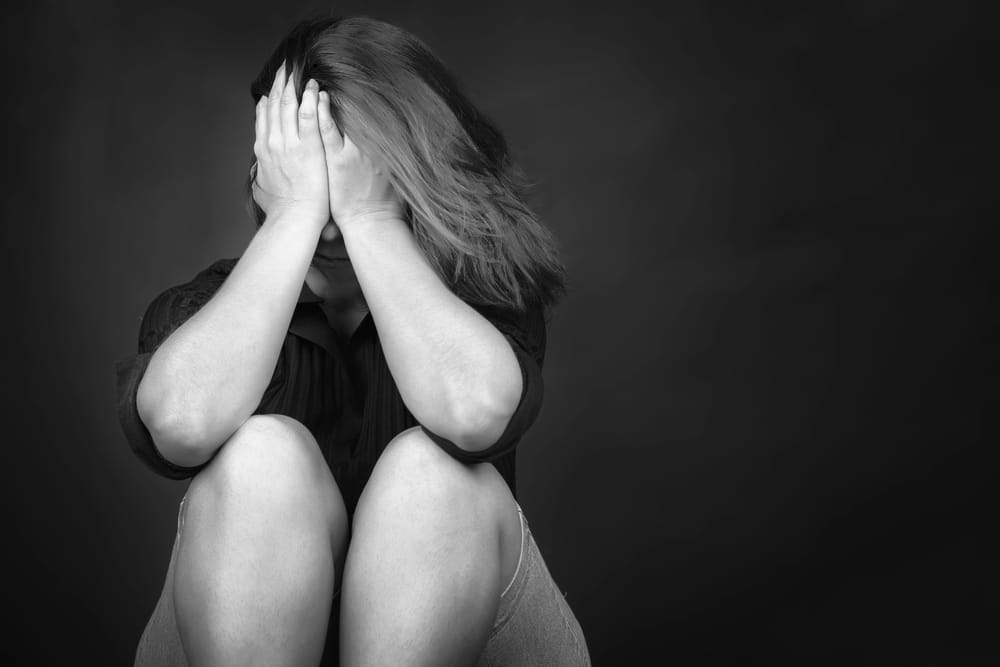
Sexual deepfake images raise heightened criminal risk under District law because of their potential to cause serious personal harm. Under D.C. Code § 22–3053, it is unlawful to knowingly distribute an intimate image, including an altered or AI-generated image, depicting an identifiable person without consent when harm is reasonably foreseeable.
What Qualifies as a Sexual Image Under D.C. Law
A sexual image includes visual depictions showing nudity of private areas or sexual conduct. Images intended to appear sexually explicit may qualify, even if they are not authentic. The law focuses on what is depicted rather than how the image was created. Synthetic or AI-generated images may still fall within the statute when they depict an identifiable person in sexually explicit content without consent.
Why Distribution Method Changes Legal Risk
The distribution method plays a key role in determining criminal exposure. Private sharing and public posting are treated differently under District law. Uploading content to a website or social platform may qualify as publication. Reposting or encouraging others to share can expand liability and increase potential penalties.
Non-Sexual Deepfakes and When Liability Still Arises
Non-sexual deepfakes can still create legal exposure when their use causes real harm. Liability depends on intent, repetition, and the impact on the targeted individual.
Situations Where Non-Sexual Deepfakes Create Legal Problems
Legal problems may arise when images are used to harass, intimidate, or emotionally distress someone. Risk increases when deepfakes are used to damage employment, education, or personal reputation. Repeated targeting of the same individual can strengthen claims of harmful conduct. Pairing images with threatening or manipulative messages may further escalate legal concerns.
Why Criminal Charges Are Less Common in These Cases
Criminal enforcement in the District often prioritizes sexually explicit imagery. Non-sexual deepfakes more commonly raise civil issues rather than criminal charges, such as claims involving harassment, defamation, or injunctive relief, depending on the circumstances. Single incidents may not meet statutory thresholds for prosecution. Patterns of conduct usually matter more than isolated or one-time posts.

Evidence That Determines Whether a Deepfake Is Illegal
Establishing liability for deepfake or AI-generated images relies on clear evidence linking the content to a specific person and showing intent or unauthorized distribution. Proper documentation can both support and limit legal claims.
Evidence That Supports Criminal or Civil Liability
- Proof that the person depicted in the image is identifiable through facial features or context.
- Records demonstrating a lack of consent for the creation, use, or publication of the image.
- Messages, captions, or other actions showing intent to harm, defame, or profit from the image.
- Evidence of how widely the image was shared and where it appeared online.
- Detailed documentation strengthens claims in both criminal prosecutions and civil lawsuits.
Evidence That Can Limit or Defeat Liability
- Proof that the accused did not create, distribute, or authorize the image.
- Evidence showing the absence of intent to harm, embarrass, or gain financially.
- Lack of identifiable features connecting the image to a real person.
- Prompt removal or corrective actions demonstrating mitigation of impact.
- Legal review ensures that exonerating evidence is preserved and presented effectively.
When Deepfakes Become Part of Stalking or Harassment
Deepfakes can trigger criminal exposure when they form part of a broader pattern of threatening behavior. D.C. Code § 22–3133 addresses stalking based on repeated conduct and resulting harm.
How Deepfakes Can Fit Into a Stalking Pattern
Deepfakes may contribute to stalking when images are repeatedly directed at one specific individual. Legal risk increases when the conduct is intended to cause fear, serious emotional distress, or disruption to life. Escalation after takedown requests or blocking can strengthen evidence of intent. Using deepfakes alongside monitoring or threatening behavior further supports a stalking pattern.
Why Context and Repetition Matter
Stalking law focuses on a course of conduct rather than a single isolated act. Repetition helps establish intent and shows the cumulative impact on the targeted person. Timing, persistence, and focused targeting are critical factors in this analysis. The image itself may represent only one part of the overall conduct.
Conclusion
Deepfake images are not automatically illegal in Washington, D.C., but they become unlawful when specific legal conditions are met. Criminal exposure most often arises when sexual content depicts a real person without consent and is shared with harmful intent. The law evaluates these cases based on conduct and impact rather than the technology used.
Understanding these boundaries helps clarify when altered images cross from protected expression into illegal conduct. Careful analysis of consent, intent, identifiability, and distribution is critical in evaluating legal risk. Clear guidance allows individuals to respond appropriately and protect their rights when harmful content appears.
At HSGLaW Group, we understand how upsetting and overwhelming AI image abuse can feel for victims and families. Our sexual assault attorneys provide clear guidance, careful case review, and practical steps to protect your rights and reputation. Contact us today or call us at 833-4HSGLAW to speak with our experienced lawyers who can explain your legal options in plain terms. Take the next step and let our firm help you move forward with confidence and support.