Imagine noticing a firm pulling sensation months after surgery that was not there during recovery. At first, it seems minor, but over time, the discomfort begins to affect simple daily movements. Breast mesh is often used in reconstructive and cosmetic procedures to support healing, yet some patients later experience changes they did not expect.
These changes can affect comfort, healing, and long-term results in ways that are not always discussed before surgery, especially as they begin to surface gradually over time. Some patients notice pain, shifting tissue, or delayed healing well after the procedure, often without a clear cause at first. Because of this slow progression, these issues are sometimes overlooked until they begin to interfere with daily life.
Doctors are generally required to explain important risks before a patient agrees to treatment, including the use of implanted materials. This process, known as informed consent, is meant to help patients understand both immediate recovery and possible long-term effects. The FDA has advised providers that surgical mesh has not been determined to be safe and effective for use in breast surgery, which makes that conversation especially important. An experienced personal injury lawyer can review whether that information was clearly provided and whether your rights were respected.
Key Takeaways
- Breast mesh can support healing but may cause long-term issues like pain, infection, or changes in shape.
- Symptoms often appear months or years later, making complications harder to identify during early recovery.
- Outcomes depend on surgical technique, material type, and the body’s response during healing.
- Clear risk disclosure and early legal guidance can help address complications and protect patient rights.

Why Surgeons Use Breast Mesh
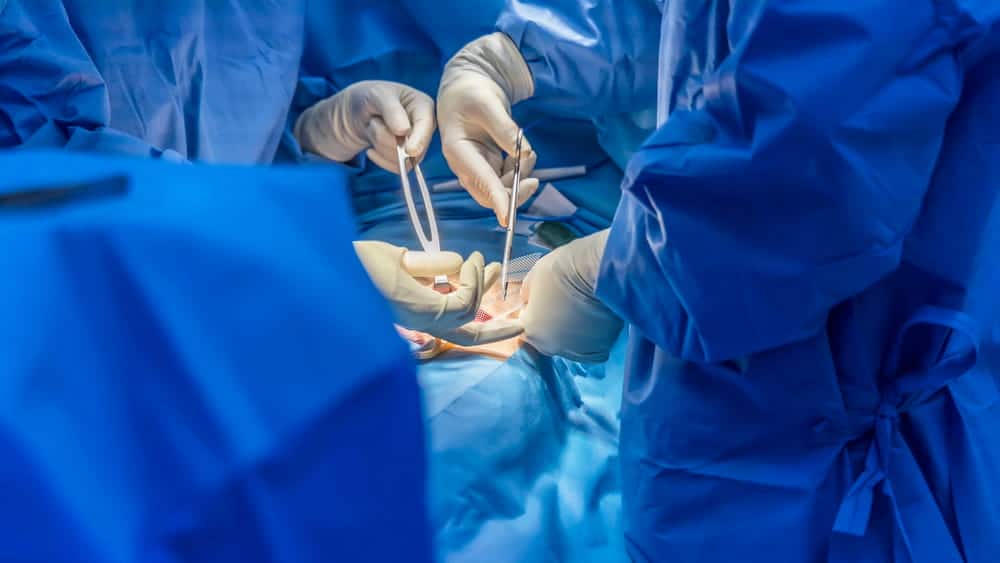
Surgeons use breast mesh to support tissue when the natural structure may not provide enough stability. This added support helps guide healing and maintain shape during recovery.
Support and Stability After Surgery
Breast mesh provides internal reinforcement that helps maintain shape during healing. It supports tissue after reconstruction or revision procedures, especially when natural strength is limited. Holding the tissue in place reduces strain on surrounding areas and supports a more balanced recovery. This added structure often leads to more stable long-term results.
Differences Between Biologic and Synthetic Mesh
Breast mesh materials differ in how they interact with the body over time. Biologic mesh integrates with surrounding tissue, gradually becoming part of the body’s structure. Synthetic mesh remains in place, providing longer-lasting reinforcement when stronger support is needed. Surgeons choose between these options based on treatment goals and patient-specific factors.
Can Breast Mesh Lead To Lasting Problems
Breast mesh often supports healing, but in some cases, concerns begin to emerge over time as the body responds differently than expected. While many patients recover without lasting issues, outcomes can vary depending on the surgical approach and individual healing response.
What Patients Should Know Upfront
- Breast mesh can, in some cases, lead to long-term complications that affect comfort, healing, and overall surgical results.
- While some individuals return to normal activities without discomfort, others begin to notice gradual changes that develop over time.
- These differences often relate to surgical technique, material choice, and how the body responds during healing.
- Setting clear expectations before surgery helps patients better understand potential risks and long-term outcomes.
Why Symptoms May Not Appear Immediately
- Symptoms often develop after the initial recovery period, which can make later complications harder to connect to the original procedure.
- As healing continues, scar tissue may alter how the area feels, sometimes leading to tightness or discomfort that builds over time.
- In other cases, delayed inflammation or reactions develop gradually without clear warning signs.
- Because early recovery does not always reflect long-term outcomes, ongoing awareness becomes especially important.


Pain, Infection, and Other Ongoing Health Concerns
Some patients notice ongoing health concerns after the initial recovery period has passed. These issues can affect comfort, healing, and daily routine over time.
Persistent Pain and Discomfort
Some patients report ongoing tightness or soreness around the surgical area, even after healing appears complete. This discomfort can begin to limit movement, especially during physical activity or routine tasks. In some cases, the pain gradually increases instead of improving, making everyday activities more difficult over time.
Infection and Fluid Complications
Infections may develop months after surgery, even when the initial recovery seemed stable. In addition, fluid buildup can occur, leading to swelling, pressure, or irritation in the affected area. As these symptoms progress, medical evaluation is often necessary to prevent further complications, and in some cases, may require follow-up care or additional treatment.
Changes in Shape, Texture, and Surgical Results
Some patients notice gradual changes in shape or feel after recovery. These changes can affect both appearance and comfort as the body adjusts over time.
Shifting, Asymmetry, or Loss of Support
Breast position or symmetry may change as healing continues beyond the early recovery stage, sometimes in ways that are not immediately noticeable. The support provided during surgery can gradually weaken or shift, altering the overall appearance. Because these changes tend to develop slowly rather than all at once, visible differences may only become apparent over time.
Hardening and Tissue Response
Scar tissue can form around the treated area, sometimes leading to firmness or distortion that develops gradually. These changes may affect both how the area feels and how it looks over time. As texture differences become more noticeable, they can cause discomfort during movement or when pressure is applied. Long-term tissue response often varies based on individual healing patterns.
How Surgical Decisions and Materials Are Evaluated
Questions about surgical decisions often arise when results differ from expectations. These concerns focus on what information was shared and how choices affected the outcome.
Information Patients Are Expected To Receive Before Surgery
- Doctors are expected to explain meaningful risks and possible outcomes before a procedure takes place so patients can make informed decisions.
- This includes clear information about how implanted materials may affect both healing and long-term results.
- When complications arise, questions often focus on whether these risks were fully discussed at the time of consent.
- Reviewing this information helps determine whether the patient had enough understanding to make an informed decision.
How Responsibility May Be Assessed When Problems Occur
- Some concerns focus on whether the procedure itself contributed to the outcome.
- Other factors may include whether the materials used contributed to later complications.
- Most states allow courts to evaluate shared responsibility when multiple factors contribute to an outcome, under comparative fault rules that vary from state to state.
- This approach helps evaluate each contributing factor based on its role in the final outcome.


When Symptoms Appear Months or Years After Surgery
Some patients notice new concerns long after recovery appears complete. These changes often develop gradually and may not connect clearly to the original procedure.
Gradual Changes That Raise Concern
A patient may recover normally at first, then develop swelling months later, requiring additional treatment. What seemed like a successful procedure can shift into a long-term medical issue that affects daily comfort and future care decisions.
What Patients Should Expect Next
Care and follow-up often involve returning to the same providers who handled the original procedure. Medical records, evaluations, and next steps typically move through the surgical practice, the hospital system, and any specialists brought in later. Coordination between those providers may be required to understand the cause. Timing and communication can vary widely from one practice or region to another.
Call a Personal Injury Lawyer About Breast Mesh Complications
Breast mesh can lead to long-term complications in some patients, especially when symptoms appear after recovery. Common concerns include pain, infection, changes in shape, and the need for further treatment. These outcomes depend on the material used, the procedure performed, and the body’s response over time.
For patients dealing with these complications, the situation may involve both medical and legal considerations related to risk disclosure and responsibility. Understanding what to expect and recognizing early warning signs helps patients respond more effectively.
At HSGLaW Group, we understand how unsettling it can feel when complications appear after a procedure you trusted. Our team carefully reviews medical records, explains your options in clear terms, and helps protect your rights at every stage, especially when complications develop over time. Contact us today or call 833-4HSGLAW to speak with an experienced medical malpractice lawyer who can review your situation and guide you forward.