Your supervisor hands you a disciplinary notice days after you reported unpaid overtime, raising concerns about possible retaliation. Emails, payroll records, timesheets, schedules, written complaints, disciplinary notices, and firsthand witness accounts can support a labor law claim in Washington, D.C. You do not need every document, because relevant evidence depends on the alleged violation and what must be established.
District law requires covered employers to maintain wage and working-time records and provide itemized wage statements under D.C. Code § 32-1008. Unpaid wage claims concern compensation, while wage retaliation claims examine protected complaints and the employer’s response. Federal unfair labor practice charges instead address prohibited conduct involving rights protected by federal labor law.
Federal unfair labor practice charges involve separate rules concerning protected collective activity and prohibited employer or union conduct. Employees should preserve available records, including communications, pay statements, schedules, and documentation of disciplinary actions or complaints. HSGLaW Group’s employment law attorney in Washington, D.C. can assess the available evidence and explain applicable procedures for pursuing workplace claims.
Key Takeaways
- Payroll records, timesheets, and pay stubs can help establish unpaid wages, overtime discrepancies, and compensation violations.
- Written complaints, disciplinary notices, and employer communications may support retaliation claims by documenting protected activity and subsequent actions.
- Witness statements, dated notes, and workplace messages can corroborate disputed events, working hours, and employer conduct.
- Employees should preserve lawfully accessible records and organize supporting evidence before submitting complaints to appropriate enforcement agencies.

What Evidence Can Establish Workplace Law Violations?
The strongest evidence addresses the specific facts needed to establish unpaid wages, unlawful retaliation, or prohibited workplace interference.
What Must Employees Prove in Workplace Labor Claims?
Unpaid wage claims require evidence of hours worked, applicable pay rates, payments received, and compensation allegedly outstanding. Retaliation evidence may establish protected conduct, employer awareness, adverse action, and a connection between the conduct and the employer’s response. Federal unfair labor practice charges concern prohibited interference, discrimination, or other conduct affecting rights protected by federal labor law.
How Can Witnesses and Personal Notes Support Claims?
Coworkers can describe firsthand observations of working hours, supervisor instructions, workplace conversations, and statements made during disputed events. Dated notes document when incidents occurred, who participated, and what was said or observed. These accounts can then be compared with employer records to identify supporting details or inconsistencies.
Which Payroll Records Can Support Unpaid Wage Claims?
Comparing recorded hours with actual payments can reveal unpaid work, incorrect rates, disputed deductions, or missing overtime compensation.
How Can Timesheets and Pay Stubs Reveal Missing Wages?
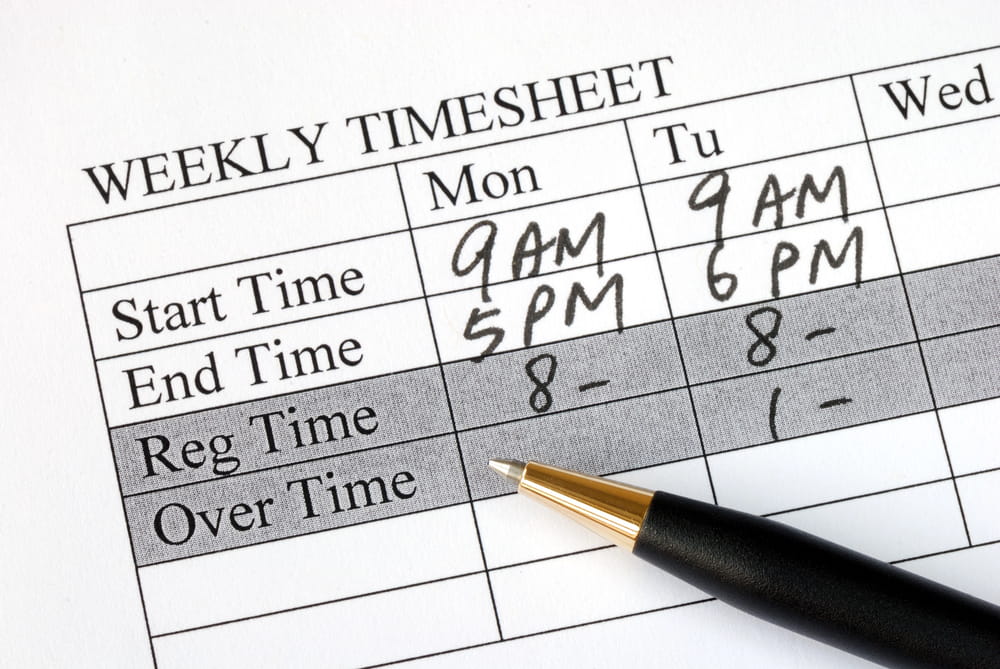
Covered D.C. employers must preserve specified wage records for at least three years or the applicable longer federal period. D.C. law requires overtime pay of at least 1.5 times the regular rate for eligible employees working over 40 hours weekly. Timesheets and schedules help establish working hours, while pay stubs, bank deposits, and compensation agreements identify payment discrepancies.
What Evidence Can Help Prove Unrecorded Work Hours?
A D.C. restaurant employee regularly stays after closing, but several pay statements omit those additional hours. Supervisor messages can establish assigned closing duties, while contemporaneous departure notes help identify when the employee finished working. Comparing these materials with employer timesheets can reveal unrecorded hours and support calculations of potentially unpaid compensation.

What Records Can Support Retaliation and Labor Charges?
Written complaints and employment decisions can help establish whether an employer responded to protected workplace activity unlawfully.
How Can Messages Show Protected Workplace Activity?
Written complaints, organizing messages, and petitions can establish workplace concerns, participants, dates, and management’s knowledge of employee activity. Federal law prohibits certain interference with protected concerted activity, as provided in 29 U.S.C. § 158. The NLRA generally protects covered private-sector employees, including qualifying nonunion group activity, but excludes government employees, independent contractors, and supervisors, among others.
Which Employment Records May Help Establish Retaliation?
Disciplinary notices and written complaints can establish when employees raised concerns and when relevant managers learned about them. Performance evaluations, work schedules, employer policies, and comparable employee treatment help assess whether subsequent decisions departed from established practices. Close timing or inconsistent explanations may support a connection, but an unfavorable decision alone does not establish unlawful retaliation.
How Can D.C. Workers Preserve Strong Supporting Evidence?
Workers should save lawfully accessible records before employment changes or restricted workplace systems make relevant information harder to obtain.
Which Workplace Documents Should Employees Save First?
Original files, timestamps, and complete conversations help establish when events occurred and whether the records remain reliable. Employees should preserve only lawfully accessible materials without altering documents or accessing restricted employer information.
- Payroll records: Save pay statements, timesheets, work schedules, and documents establishing agreed compensation.
- Workplace communications: Preserve written complaints, supervisor messages, and employer responses, including their original dates.
- Employment decisions: Keep disciplinary notices, performance evaluations, and termination correspondence documenting changes in employment.
- Supporting evidence: Record witness contact information and dated firsthand observations of disputed workplace events.
What Evidence Gaps Could Weaken a Labor Law Claim?
Missing dates, incomplete messages, inconsistent witness accounts, and unclear wage calculations can leave important allegations unsupported. Employees should compare disputed dates, recorded hours, and payment amounts before submitting calculations or explaining inconsistencies. Complete message threads and contemporaneous notes can help resolve contradictions that isolated screenshots or later recollections leave unanswered.

How Can Employees Use Evidence to Support Labor Claims?
Once workers organize their evidence, they should distinguish D.C. wage complaints from federal unfair labor practice charges.
What Evidence Should Workers Submit With D.C. Wage Claims?
The D.C. Office of Wage-Hour accepts complaints involving unpaid wages, overtime, and retaliation concerning wage rights. Workers should identify disputed workweeks, expected payments, actual wages received, and available records when completing the appropriate claim form. They should explain missing information accurately rather than assume that unavailable employer records prevent them from submitting a complaint.
How Can Investigators Obtain Additional Workplace Records?
D.C. wage investigators examine compensation-related complaints, while NLRB agents investigate alleged federal unfair labor practices. Investigators may review payroll records, communications, and witness statements to assess whether the available evidence supports the reported violation. D.C. law also authorizes inspection of specified employer wage records, subject to applicable procedures, helping investigators examine employer-held information.
Contact an Employment Law Attorney in Washington
Pay statements, time records, written complaints, and disciplinary notices can reveal wage discrepancies or establish the sequence of workplace events. Identifying missing information helps workers assess their evidence before pursuing a complaint.
HSGLaW Group handles wage and hour disputes, including unpaid wages, overtime violations, and related retaliation concerns. If you have been denied proper pay or believe your workplace rights have been violated, you can seek legal guidance to review the available evidence and explore potential remedies. Contact us or call us at 833-4HSGLAW to discuss your employment concerns and inquire about representation.