Have you noticed unexpected swelling or persistent pain weeks after what seemed like a routine recovery? Breast mesh is sometimes used in reconstruction and cosmetic procedures to provide internal support when natural tissue cannot maintain shape on its own. It is placed to help stabilize results during healing, especially when the surrounding tissue needs added reinforcement.
While this approach can improve surgical outcomes, some patients later report complications related to the body’s response to the implanted material. These complications may include infection, fluid buildup, ongoing discomfort, or structural changes that develop gradually over time. In many cases, these issues do not appear right away and instead become noticeable as healing continues.
In the United States, medical devices must meet safety and performance standards before they are widely used under the Federal Food, Drug, and Cosmetic Act (21 U.S.C. § 301). This law sets the framework for how devices are tested, approved, and monitored to help reduce patient risks. Even with these safeguards, outcomes can vary, and speaking with experienced mass tort attorneys in Washington, D.C. can help you understand your options if complications arise.
Key Takeaways
- Breast mesh injuries in D.C. may include pain, infection, fluid buildup, and changes in shape or stability.
- Symptoms can appear gradually, sometimes months after surgery, making early recognition more difficult.
- Complications may include tissue damage, scarring, or mesh movement, which can affect long-term recovery and appearance.
- Ongoing symptoms require medical evaluation and documentation to guide treatment and support potential claims.

The Purpose of Surgical Mesh in Breast Surgery
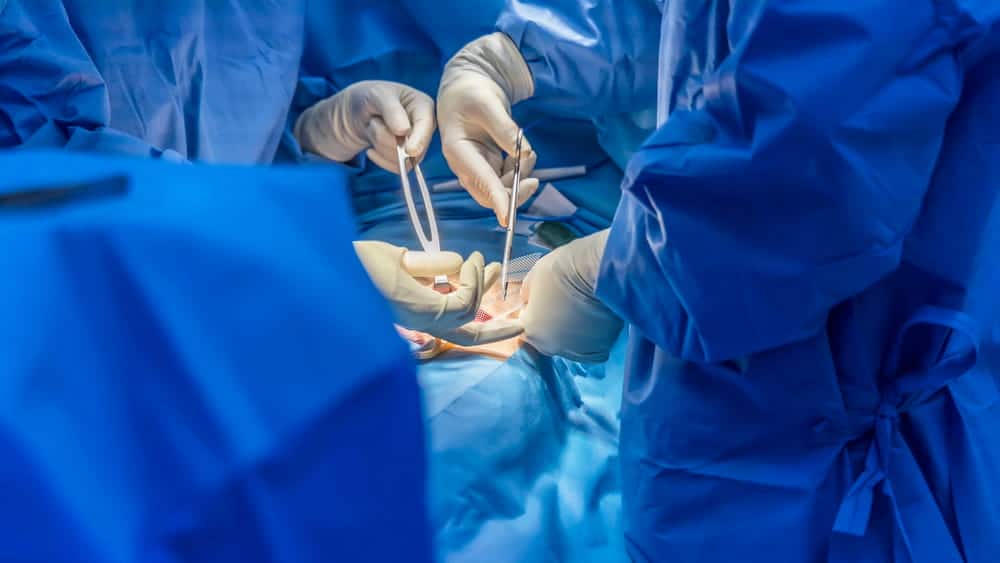
Breast mesh is used to provide added internal support when natural tissue cannot maintain structure after surgery. It helps stabilize results during healing and supports the surrounding area as the body adjusts.
Structural Support After Reconstruction or Lift
Breast mesh is often placed when tissue lacks the strength to hold its shape after reconstruction or lift procedures. It reinforces weaker areas and helps maintain positioning during the early stages of healing. By reducing pressure on surrounding tissue, it supports a more stable recovery process. This added support can help maintain the intended surgical outcome as healing continues.
Situations Where Surgeons May Introduce Mesh
Surgeons may introduce mesh during procedures in which natural support is limited or has been affected by prior changes. It is commonly used after removal procedures or when additional internal structure is needed during cosmetic adjustments. In revision cases, it can help restore support when earlier results have weakened over time. These situations often require added reinforcement to maintain structure and improve stability during recovery.
Pain, Infection, and Inflammatory Reactions
Some patients experience physical symptoms that extend beyond the expected healing period after surgery. These concerns often relate to how the body responds to implanted material and may require closer medical attention.
Persistent Pain and Nerve-Related Symptoms
- Some patients report ongoing tightness, discomfort, or burning sensations in the breast area after recovery should have progressed.
- This pain may be linked to nerve irritation, which can affect movement and make daily activities more difficult.
- In certain cases, the discomfort does not fade and continues beyond expected healing timelines.
- These patterns may signal the need for further evaluation to identify the underlying cause.
Infection and Immune Response Around the Mesh
- In some cases, infection may develop near the implant site, causing redness, swelling, or increased sensitivity.
- The body may also trigger an inflammatory response to the presence of foreign material.
- These reactions can vary in severity and may gradually worsen if not addressed early.
- When symptoms persist or intensify, medical intervention may be required to prevent further complications.
Fluid Buildup and Changes in Mesh Position
Some complications involve changes around the surgical site that affect healing and overall stability. These issues may develop gradually and often require monitoring to prevent further concerns.
Fluid Accumulation Around the Surgical Site
Fluid may collect around the surgical area and require careful monitoring during recovery, as this buildup can slow healing or increase the risk of additional complications. In some cases, repeated accumulation may necessitate drainage or follow-up care over time. These patterns can extend recovery and require closer medical attention.
Movement or Displacement of the Mesh
In some cases, the mesh may shift from its original placement as the body continues to heal. This movement can lead to visible changes in breast shape or a loss of symmetry over time. As positioning changes, the overall stability of the surgical outcome may be affected. These changes can require evaluation to determine whether correction is necessary.

Tissue Damage, Scarring, and Structural Breakdown
Some complications affect the condition of the surrounding tissue and may alter long-term structural stability. These changes can develop gradually and may become more noticeable as healing progresses.
Reduced Blood Flow and Tissue Injury
Limited circulation can affect how well the surrounding tissue heals after surgery. When blood flow is reduced, the area may not receive enough oxygen to support normal recovery. This can lead to tissue damage and may contribute to long-term structural changes. In more severe cases, portions of healthy tissue may be affected and require further medical evaluation.
Hardening, Tightening, and Visible Distortion
Scar tissue may form around the implant, creating a denser and less flexible structure over time. This tightening can cause discomfort or a feeling of pressure within the breast area. As the tissue changes, the shape or firmness of the breast may also become more noticeable. These effects can alter the overall appearance and may require additional care or assessment.
Gradual Changes That Emerge After Recovery
Some complications do not appear during the early stages of healing and instead develop over time. These delayed changes can make it harder to recognize when a problem is beginning.
A patient may appear to recover normally in the weeks after surgery, but later notice swelling and discomfort months afterward. When imaging is performed, doctors may find fluid buildup or slight mesh movement that was not visible earlier. These situations often lead to additional treatment or closer monitoring.
Early Recovery Compared to Later Complications
- Initial healing may appear normal in the weeks following surgery, creating a sense of steady recovery.
- Over time, symptoms such as discomfort or visible changes may develop without a clear warning.
- These issues often appear months later and may not have an obvious or immediate trigger.
- As a result, these changes can feel unexpected and difficult to connect to the original procedure.
Why These Injuries Are Often Identified Late
- Gradual progression can make early symptoms easy to overlook during routine recovery.
- Patients may not immediately connect new discomfort or physical changes to a prior procedure.
- Subtle differences in shape, sensation, or firmness may become more noticeable over time.
- These delayed signs often lead to evaluation only after the condition has progressed.

Ongoing Symptoms and Medical Review in Washington, D.C.
Some patients continue to experience symptoms that require follow-up care after the initial recovery period. In Washington, D.C., these concerns are often reviewed through ongoing medical evaluation and documented changes over time.
Patterns Seen During Follow-up Care
A patient may appear to recover well at first and later report increasing tightness or discomfort. As symptoms progress, imaging may reveal inflammation or early movement within the surgical area. These findings may indicate underlying changes that were not apparent during early healing. When symptoms continue to worsen, further evaluation is often recommended to understand the cause.
How Injury Claims Are Examined in the District
Medical records are reviewed to track how symptoms developed and how treatment progressed over time. Product-related claims often examine whether the device performed as expected under normal conditions or whether a defect may have contributed to the complications. In Washington, D.C., product-related claims are often evaluated under standards applied through the D.C. Superior Court, where devices must be reasonably safe for their ordinary use. This framework helps guide how claims are reviewed when complications arise.
Get Legal Help From Mass Tort Attorneys in Washington, D.C.
Breast mesh injuries can develop in different ways, from early complications to changes that appear months after surgery. Pain, infection, fluid buildup, and structural changes remain among the most commonly reported concerns. Some issues improve with treatment, while others require additional procedures or longer-term care.
Recognizing how these injuries present and progress allows patients to respond more confidently when symptoms begin to change. Careful monitoring and timely evaluation often play a central role in managing complications and guiding next steps. Our team helps review medical records, explain available options, and provide steady guidance through each stage of the process.
At HSGLaW Group, we understand how overwhelming it can feel when unexpected complications follow a medical procedure. Our team takes time to review your records, explain your options clearly, and help protect your rights at every stage. Contact us today or call 833-4HSGLAW to speak with our experienced Washington, D.C. mass torts attorneys who can guide you forward with clarity and confidence.