Over morning coffee, a friend sends you a video that appears to show you saying things you never said. Within hours, people begin commenting, sharing the clip, and asking questions before you even understand where it came from. What starts as an ordinary day can quickly become overwhelming when artificial intelligence is used to create false content targeting real individuals.
Artificial intelligence can generate realistic images, videos, voice recordings, and written communications that closely resemble authentic material. As these tools become more accessible, some people use them to spread false information, damage reputations, or embarrass others online. The consequences of AI harassment often expand quickly once harmful content reaches a larger audience.
Ohio law does not treat every form of AI-generated harassment the same way, but certain forms of image-based abuse may create civil or criminal consequences. For example, Ohio Revised Code § 2917.211 prohibits the nonconsensual dissemination of certain private sexual images under specified circumstances. Individuals affected by this type of conduct may also have legal options for seeking relief depending on the harm suffered and the surrounding circumstances. Because every situation involves different facts, it may be helpful to discuss the matter with an experienced sexual assault attorney in Ohio.
Key Takeaways
- AI harassment may create civil liability when false content causes reputational, emotional, or privacy-related harm.
- Deepfakes, impersonation content, and fabricated communications can support legal claims in certain situations.
- Preserving screenshots, URLs, account information, and publication records is often critical evidence.
- Liability may extend beyond creators to individuals who knowingly share or republish harmful content.

What Types of AI Harassment Harm Victims?
Artificial intelligence has made it easier to create and distribute content that appears genuine even when it is completely fabricated. As these tools become more sophisticated, victims often face challenges that did not exist when online harassment was limited to traditional posts, messages, or comments.
How People Use AI to Target Others
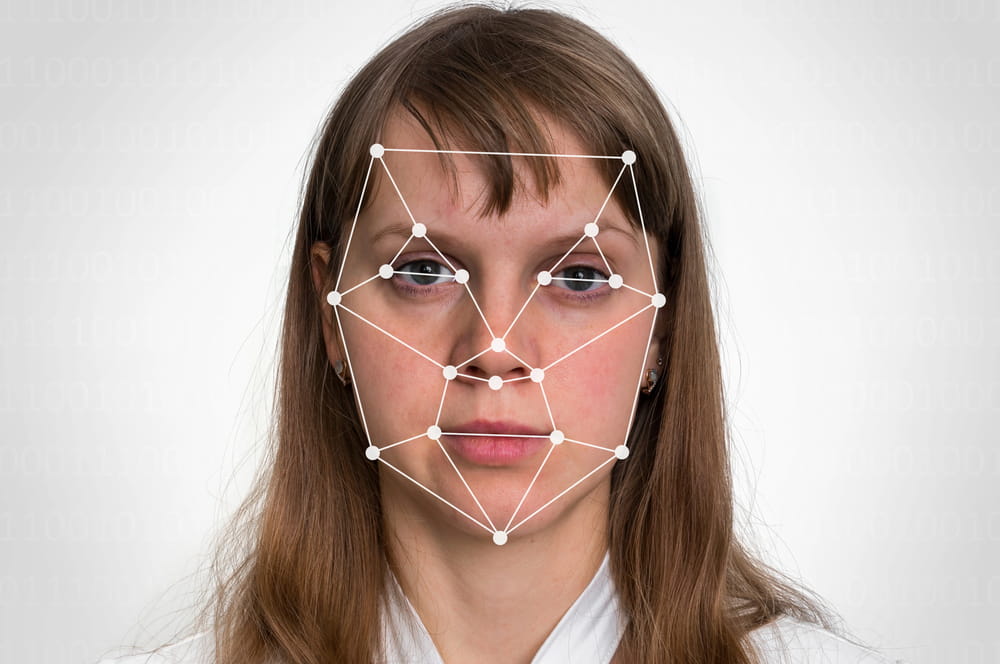
People use artificial intelligence to create content that appears authentic even when it is completely false. This may include intimate images that use a real person’s likeness without permission, deepfake videos that depict events that never occurred, or cloned voice recordings that imitate someone’s speech. Others create fabricated emails, text messages, screenshots, or online conversations that appear genuine at first glance.
How AI Harassment Disrupts Everyday Life
The effects often extend beyond the initial publication because harmful content can reach large audiences in a short period. Victims may experience damage to their personal and professional reputation while also facing embarrassment, anxiety, and emotional distress. Relationships with family members, friends, coworkers, or employers may become strained when false information spreads unchecked.
When Does AI Harassment Create Civil Liability?
Not every harmful online interaction creates legal liability. However, when AI-generated content causes measurable harm to an identifiable person, the circumstances may support one or more civil claims depending on the nature of the conduct and the resulting damages.
What Conduct Can Support a Lawsuit
Civil claims may arise when someone publishes false AI-generated content about an identifiable individual and presents it as authentic. Liability concerns can also develop when a person’s image, likeness, voice, or identity is used without authorization to create misleading material. Some situations involve fabricated intimate images, impersonation content, or coordinated harassment campaigns designed to target a specific victim.
What Legal Claims Victims May Consider
The legal claims available often depend on the nature of the content and the harm it causes. Some victims may consider defamation-related claims when false statements or fabricated content damage their reputation or standing in the community. Other situations may involve privacy-related claims arising from the unauthorized use of a person’s identity, image, or private information.

Why Do Courts Take AI Harassment Seriously?
Courts increasingly recognize that digital content can create significant real-world consequences. Even when false material is later removed, the effects may continue because screenshots, reposts, and archived copies often remain accessible online.
How AI Content Creates Real World Consequences
- Realistic AI-generated content can persuade viewers that false information is true, especially when images, videos, or recordings appear authentic.
- Once people accept the content as genuine, damage to a person’s reputation may continue even after the material is removed.
- Employment opportunities, educational goals, and personal relationships can be affected when others rely on inaccurate information.
What Civil Remedies Does Ohio Law Provide
Ohio law provides both criminal and civil remedies in certain situations involving nonconsensual dissemination of private sexual images. Ohio Revised Code § 2917.211 prohibits certain forms of image-based abuse. Victims may also have the ability to pursue civil relief based on the facts involved and the harm suffered. Available remedies may include damages, injunctive relief, attorney fees, litigation costs, and other relief authorized by law. The availability of those remedies depends on the facts of the case and the supporting evidence.
Civil claims arising from AI harassment may be filed in the Hamilton County Court of Common Pleas when jurisdictional and procedural requirements are met. The court addresses many disputes involving alleged reputational harm, privacy violations, and other personal injuries.
How Can AI Harassment Affect People in Cincinnati?
Harmful online content can affect anyone, but the consequences often become more significant when the audience includes people who know the victim personally. In a community such as Cincinnati, false content may quickly circulate among professional, educational, and social networks.
How Local Exposure Can Increase the Harm
A manipulated image, cloned voice recording, or fabricated accusation may quickly spread among coworkers, classmates, customers, neighbors, or community groups throughout Cincinnati. Because victims often know the people viewing the content, local circulation can increase reputational damage and create lasting personal challenges. Community-wide exposure may also affect employment opportunities, business relationships, and a person’s standing within professional or social circles.
Why Evidence Often Shapes the Outcome
Evidence often plays a central role because online content can be altered, deleted, or hidden without warning. Preserving screenshots, usernames, URLs, timestamps, account information, messages, emails, and related posts can help create a clearer record of what occurred. It is also important to document employment consequences, financial losses, and reputational harm that may result from the publication of false content.
Who Can Face Liability for AI Harassment?
Many people assume liability applies only to the person who creates harmful AI-generated content. In reality, responsibility may extend beyond the original creator when others knowingly participate in distributing or amplifying the material.
How People Create or Expand the Harm
- Liability may extend to individuals who generate harmful AI-created content and publish it for others to view.
- It can also involve people who knowingly post, share, or republish false material after it begins circulating online.
- Some situations include coordinated harassment efforts in which multiple participants contribute to the spread of damaging content across different platforms.
Why Anonymous Accounts Create Challenges
- Anonymous social media profiles, fake identities, and temporary accounts can make it difficult to determine who is responsible for harmful content.
- The challenge often becomes greater when posts are deleted, messages disappear, or users attempt to hide their online activity.
- Identifying the original source of publication may require reviewing platform records, account information, and other digital evidence.

What Damages and Remedies Can Follow AI Harassment?
The harm caused by AI-generated content is not always limited to the moment it appears online. In many cases, the effects continue long after publication as the material spreads to additional viewers and becomes more difficult to remove.
How Courts Evaluate Harm and Losses
For example, a person may discover that an AI-generated intimate image using their likeness has circulated through social media and private messaging platforms before they even become aware of its existence. By the time removal efforts begin, friends, relatives, coworkers, and professional contacts may have already viewed or shared the content, creating reputational, emotional, and professional consequences that can be difficult to reverse.
What Remedies Victims May Request
The remedies available in a civil case often depend on the facts, the evidence presented, and the nature of the conduct involved. In some situations, victims may seek compensation for reputational, emotional, or financial harm, which can be supported by documentation and testimony.
Call a Sexual Assault Attorney in Ohio
AI-generated content continues to evolve, but the harm it causes can be very real. Deepfakes, impersonation content, fabricated communications, image-based abuse, and other forms of false material may damage reputations, invade privacy, and create emotional or financial consequences that affect many areas of a person’s life.
Preserving evidence remains important because screenshots, messages, publication records, and related materials may help establish what occurred. Understanding the legal remedies available can also help victims make informed decisions about their next steps. Ultimately, liability often depends on the conduct involved, the harm suffered, and the evidence available to support the claim.
At HSGLaW Group, we understand how upsetting it can be to discover that false AI-generated content is affecting your reputation, privacy, or personal relationships. Our experienced team takes time to review the facts, explain potential legal options, and help preserve important evidence that may support your claim. Contact us today or call 833-4HSGLAW to speak with an experienced lawyer who understands the challenges these situations can create.