A photo showing you at a private party begins circulating online, but you were never there. Friends start asking questions, and a coworker forwards the image before you have a chance to respond. What began as one of many AI-altered images quickly turns into a situation that affects both your personal and professional life.
Artificial intelligence tools can now create realistic images that place people in events, activities, or situations that never occurred. As these technologies become more advanced and widely available, manipulated images are appearing across social media platforms, websites, and private messages. Many people underestimate how quickly a manipulated image can spread once it appears online.
The consequences may reach far beyond embarrassment and can affect privacy, reputation, identity, employment opportunities, personal relationships, and emotional well-being. Washington, D.C. law recognizes that sharing certain intimate images without consent can cause serious harm, which is why legal protections exist for people affected by this conduct. The law addresses certain forms of non-consensual publication of intimate images, and an experienced sexual assault attorney in Washington, D.C., can help individuals understand the legal options available when these situations arise.
Key Takeaways
- AI-altered images can threaten privacy, consent, identity, reputation, and personal autonomy.
- Deepfake intimate images may cause lasting emotional, professional, and relationship-related harm.
- Non-consensual sharing of altered intimate images can raise legal issues under Washington, D.C. law.
- Preserving screenshots, URLs, timestamps, and account details can help protect available legal options.
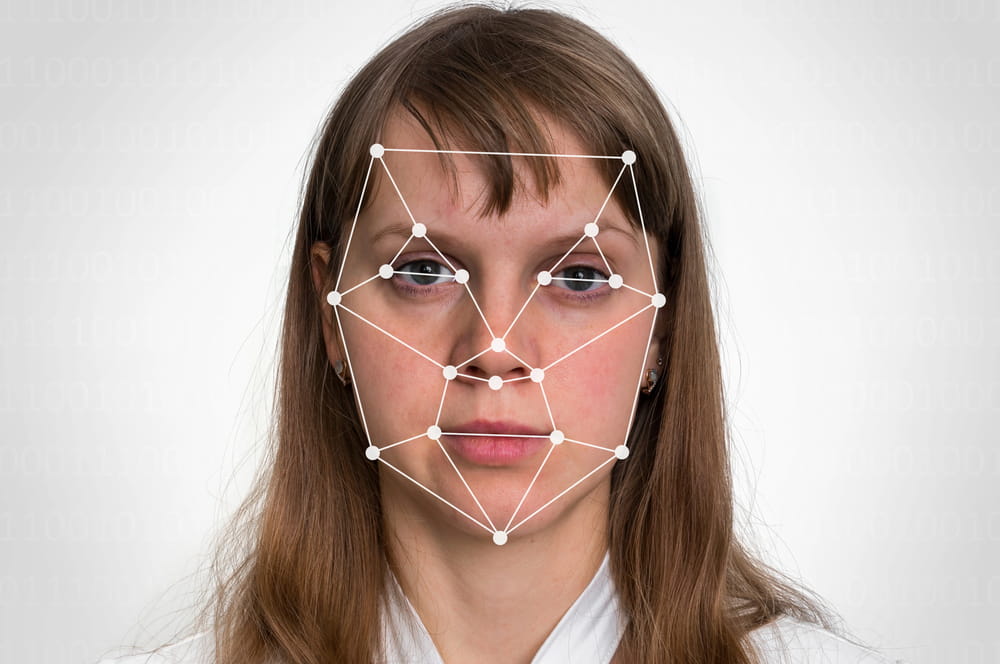

Why AI-Altered Images Look Convincingly Real
Modern technology can create fabricated content that closely resembles genuine photographs, making false images difficult to identify.
How AI Builds Images from Existing Photos
Artificial intelligence systems study photographs, social media posts, and public content to recognize patterns across countless images. Through that process, the technology learns facial features, expressions, and physical details that later appear convincingly realistic. Many individuals discover the misuse only after the fabricated content spreads online and reaches a wider audience.
Why Realistic Images Increase the Risk of Harm
People frequently trust visual content because images create immediate impressions that feel more believable than written statements. As a result, viewers may form inaccurate conclusions about someone’s conduct, relationships, or activities without verifying facts. When false content appears authentic, the resulting damage often becomes more personal, widespread, and difficult to correct.
Which Personal Rights AI-Altered Images Threaten
Altered content can affect several personal interests, including privacy, identity, reputation, and individual decision-making.
How Altered Images Interfere With Privacy and Consent
- Image manipulation can remove a person’s control over how their likeness appears across websites, platforms, and online discussions.
- Privacy concerns may still arise because public photographs were not necessarily shared for later alteration or redistribution.
- The lack of consent often becomes a central issue when others create, modify, or distribute fabricated content.
How Altered Images Affect Identity and Personal Autonomy
- AI-generated content can distort perceptions by presenting individuals in situations, relationships, or activities that never occurred.
- Maintaining control over personal images and identifying information remains important because public impressions often form quickly.
- Manipulated content can interfere with self-representation by replacing an individual’s choices with someone else’s fabricated portrayal.

Why Deepfake Nudes Create Unique Personal Harm
Fabricated intimate content can create consequences that extend beyond ordinary privacy concerns and online misuse.
How AI Converts Ordinary Photos Into Explicit Images
AI tools can transform ordinary photographs into fabricated intimate images by altering existing visual details and characteristics. In many situations, the affected individual has no involvement in creating, approving, or distributing the altered content. This misuse raises serious concerns because a person’s likeness becomes associated with material that never existed.
How Deepfake Images Disrupt Daily Life
A person may upload a routine photograph to a social media account without expecting it to be misused later. Someone may later use that image to create and distribute fabricated intimate content without obtaining permission. The resulting harm can extend into relationships, employment opportunities, reputation, and emotional well-being long after the images begin circulating.
How Altered Images Affect Jobs, Schools, and Relationships
The effects of fabricated content often extend into professional settings, educational environments, and personal relationships.
Why False Images Damage Professional Opportunities
Employers, clients, licensing boards, and professional organizations may react quickly when misleading content appears online. Reputational concerns can influence hiring decisions, promotion opportunities, business relationships, and perceptions of professional credibility. Correcting false impressions often requires substantial time and effort because initial reactions may persist despite later explanations.
Why Altered Images Strain Personal Relationships
Family members, friends, classmates, and community members may respond differently when they encounter fabricated content online. Altered images can lead to mistrust, embarrassment, conflict, and social isolation, affecting important personal relationships. These consequences may continue long after the image is removed because damaged trust often takes time to rebuild.
When AI-Altered Images Trigger Legal Concerns
The creation and distribution of fabricated content may raise different legal issues depending on the nature of the image and the harm involved. Fabricated intimate images often receive specific legal attention, while other AI-generated images may raise issues involving privacy, reputation, harassment, or other legal claims, depending on the circumstances.
What D.C. Law Says About Non-Consensual Image Sharing
Washington, D.C. law prohibits certain knowing disclosures of intimate images without the person’s consent. These protections recognize that sharing intimate images without authorization can cause significant personal, emotional, and reputational harm. D.C. Code § 22-3052 addresses certain non-consensual disclosures involving intimate images when specific legal requirements are met.
How Courts Analyze Distribution and Resulting Harm
- Legal disputes often focus on how an image was shared, where it appeared, and who received it.
- Courts may evaluate the scope of distribution, the circumstances surrounding publication, and the resulting harm alleged.
- Because every situation differs, the surrounding facts often play an important role in determining legal outcomes.
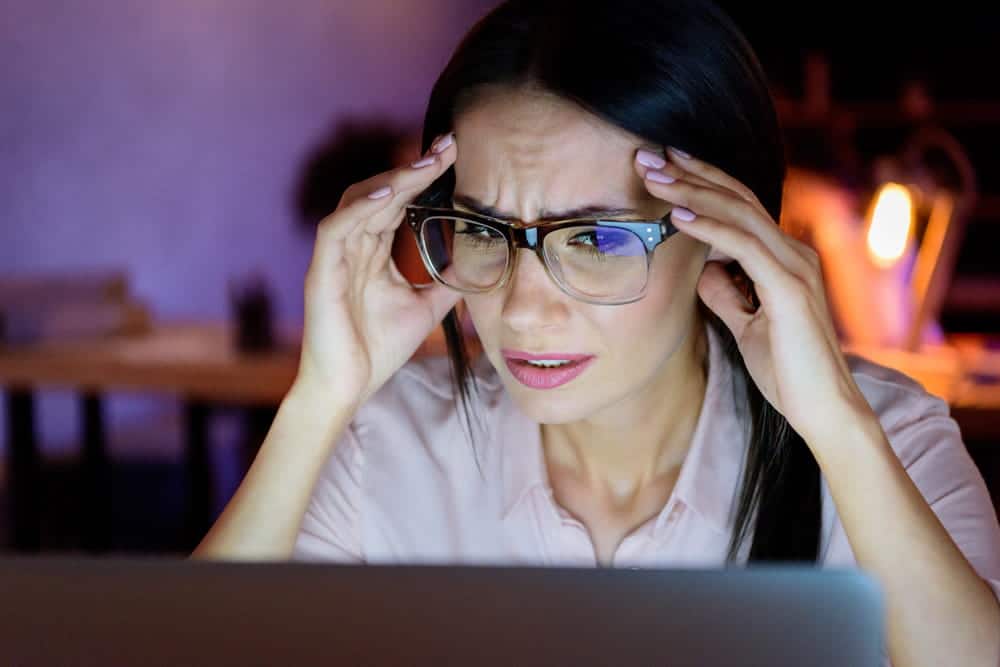

Why Online Sharing Makes Harm Difficult to Reverse
Once fabricated content spreads online, controlling its reach often becomes significantly more difficult than preventing publication.
How Social Platforms Accelerate Image Distribution
Reposts, screenshots, private messages, forums, and social media sharing can quickly expand the reach of altered content. As additional users interact with the material, it often reaches audiences far beyond intended recipients. Limiting further distribution becomes increasingly difficult because copies may continue circulating across multiple platforms and accounts.
Why Washington, D.C. Residents Benefit from Early Documentation
Screenshots, timestamps, URLs, usernames, and account information may help establish how content appeared and circulated. Related disputes may involve proceedings connected to the Superior Court of the District of Columbia and the Moultrie Courthouse. Preserving information early can become important because online content may change, disappear, or spread further over time.
Contact a Sexual Assault Attorney in Washington, D.C.
AI-altered images can interfere with privacy, consent, identity, reputation, employment opportunities, and important personal relationships. The resulting harm may be significant even when the content is completely fabricated and bears little connection to reality. As these technologies continue to advance, understanding their potential consequences becomes increasingly important for protecting personal rights and interests.
Washington, D.C. law recognizes certain harms associated with non-consensual image sharing and provides legal protections in appropriate situations. While not every AI-generated image creates the same legal concerns, fabricated intimate images and other harmful content can raise important questions about privacy, consent, and individual rights. Acting promptly and preserving available evidence may help protect legal options when manipulated images begin circulating online.
At HSGLaW Group, we understand how upsetting it can be to discover that someone has created or shared altered images without your permission. Our team can review your situation, explain your legal options, and help protect your privacy, reputation, and personal rights. Contact us today or call 833-4HSGLAW to speak with a lawyer about your concerns.