After breast reconstruction surgery, many patients expect each follow-up visit to confirm that recovery is moving in the right direction. Instead, some learn that ongoing discomfort, swelling, or changes around the implant may be linked to a breast surgical mesh complication. Understanding the injuries associated with breast surgical mesh helps patients recognize warning signs and seek timely medical care.
Some complications develop soon after surgery, while others become noticeable as healing continues. Regular follow-up appointments help identify problems early so patients can address new or worsening symptoms before complications become more serious.
Tennessee law gives injured patients only a limited time to file many personal injury claims involving injuries related to medical treatment or medical products. Many of those filing deadlines are established in Tenn. Code § 28-3-104, making timely action important when mesh-related injuries are discovered. An experienced personal injury lawyer in Nashville can evaluate your situation, explain your legal options, and help determine whether a breast surgical mesh injury may support a claim.
Key Takeaways
- Breast surgical mesh complications may include infection, chronic pain, delayed healing, and tissue damage.
- Some mesh-related injuries develop months after surgery, even after an initially normal recovery.
- Medical evaluations often rely on imaging, operative records, and physical examinations to identify complications.
- Early medical attention and thorough documentation can help support treatment and potential legal claims.


Common Injuries Linked to Breast Surgical Mesh
Breast surgical mesh may be associated with injuries and complications that develop during the initial recovery period or months after surgery. While many patients recover without significant problems, others experience complications that affect healing, comfort, or reconstruction outcomes.
Common injuries linked to breast surgical mesh may include:
- Persistent breast or chest pain
- Infection around the surgical site
- Fluid buildup (seroma)
- Delayed wound healing
- Ongoing inflammation
- Tissue thinning or tissue breakdown
- Recurrent infections
- Changes in breast shape, firmness, or implant support
Not every patient experiences the same complications, and symptoms may develop at different stages of recovery depending on individual healing and other medical factors.
Injuries That Develop Soon After Surgery
Some patients experience persistent breast or chest pain that continues beyond the expected recovery period and affects daily activities. Others develop infections, fluid buildup (a seroma), delayed wound healing, or ongoing inflammation around the surgical area during recovery.
Early medical evaluation helps identify the underlying cause and allows doctors to recommend treatment before complications become more serious.
Injuries That May Develop Months Later
Not every breast surgical mesh injury appears immediately after surgery. Some complications develop gradually as scar tissue forms, changing breast comfort, appearance, or the support surrounding the implant over time.
Later complications may include:
- Tissue thinning
- Tissue breakdown
- Recurrent infections
- Implant instability or changes in support
- Breast firmness or changes in shape
When these problems continue despite treatment, some patients require additional reconstructive surgery to restore function, comfort, or breast support.

How Breast Surgical Mesh May Cause Injuries
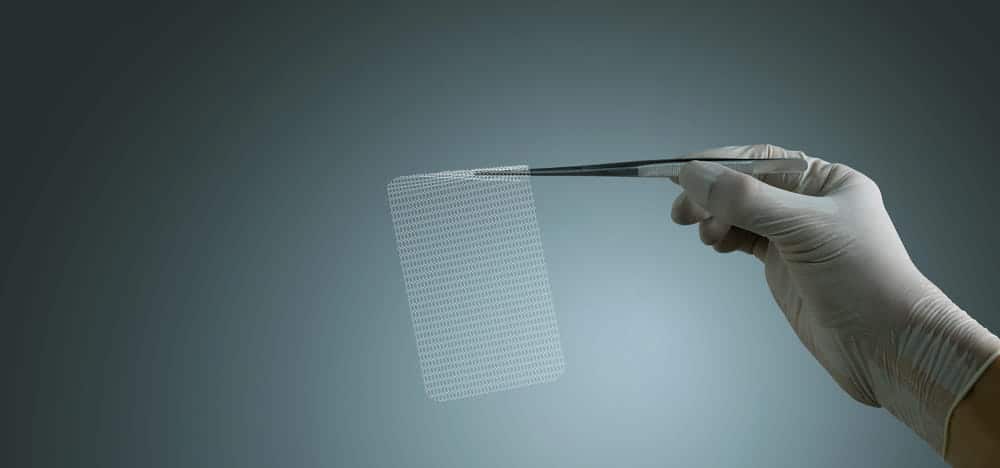
Breast surgical mesh is used during reconstruction or revision procedures to reinforce weakened tissue and support healing. Procedures may use synthetic or biologic mesh, although neither option eliminates all surgical risks. The American Society of Plastic Surgeons’ overview of breast reconstruction explains how different reconstruction techniques may be used depending on a patient’s individual circumstances.
Why Surgeons Use Mesh During Breast Reconstruction
Surgeons place mesh beneath weakened tissue to reinforce soft tissue, support breast implants, and improve stability during healing. Although mesh is intended to improve reconstruction outcomes, every patient heals differently, and complications may still occur.
Factors That May Affect Healing
After implantation, the body begins healing around the material, but infection, inflammation, or poor tissue integration may interfere with that process. Smoking, diabetes, radiation therapy, previous surgeries, and surgical technique can all affect how well tissue heals after mesh placement. When healing does not progress as expected, some patients develop complications that require additional medical treatment or corrective surgery.
How Breast Mesh Injuries Affect Recovery
Recovery changes over time, making it important to recognize symptoms that may signal developing complications.
Early Warning Signs of Breast Mesh Complications
Recovery should gradually become more comfortable, so increasing pain rather than steady improvement deserves prompt medical attention and evaluation. Swelling, redness, warmth, drainage, fever, or fluid collection near the breast may indicate complications that require further examination by a physician. Incisions that reopen or heal slowly may suggest underlying problems, making continued follow-up important throughout the recovery process.
Changes That May Appear After Healing
Some complications become noticeable only after healing seems complete, creating new concerns weeks or months after the original procedure. Breast firmness, tightening, or changes in shape and symmetry may affect comfort and alter the reconstructed breast’s appearance. Persistent discomfort or newly developed symptoms after an initially successful recovery should be discussed with a healthcare provider without unnecessary delay.
How Doctors Evaluate Breast Mesh Injuries
Doctors use several steps to determine whether postoperative complications are related to implanted mesh or another medical condition.
How Doctors Confirm Breast Mesh Injuries
Doctors begin by reviewing postoperative symptoms, the recovery timeline, and any changes that developed after the original breast surgery. They perform a physical examination, order imaging studies when appropriate, and compare current findings with earlier operative reports and records. Before identifying mesh as the cause, doctors carefully rule out other postoperative complications that may produce similar symptoms and concerns.
Why Medical Documentation Matters
Operative reports identify the materials used, surgical techniques performed, and findings before additional treatment is recommended. Patients with complex complications may be referred to specialists, and preserving medical records may also become important if legal questions arise later.


Treatment Options for Breast Mesh Injuries
Treatment depends on the type of complication, its severity, and the body’s response during recovery.
Nonsurgical Treatment for Breast Mesh Injuries
Doctors may prescribe antibiotics for confirmed infections while providing wound care or drainage when fluid collections interfere with healing. Pain management, regular examinations, and follow-up appointments help doctors monitor recovery, adjust treatment, and identify complications early.
When Additional Surgery May Be Recommended
Some complications continue despite treatment, making additional surgery necessary to address persistent infection, tissue damage, or implant-related problems. Doctors may recommend mesh revision or removal when exposed material, ongoing tissue breakdown, or reconstruction failure affects successful healing. Reconstructive procedures may restore breast support, improve appearance, and reduce complications when less invasive treatment no longer provides adequate results.
A Recovery Timeline After Breast Surgery
After the initial recovery period, new symptoms may require careful medical evaluation to identify the underlying cause and guide treatment.
When Recovery Stops Improving
Recovery should gradually improve, so worsening pain, swelling, or drainage warrants prompt medical attention. New breast changes after early healing may indicate developing complications that require further evaluation. Delaying care may allow complications to progress and increase the likelihood of additional procedures.
How Doctors Evaluate New Symptoms
A patient may recover normally for several weeks after breast reconstruction before increasing pain and drainage begin affecting the surgical area. The surgeon reviews imaging studies, operative records, and examination findings to determine whether the implanted material contributes to complications. Once doctors identify the underlying cause, treatment focuses on correcting the specific problem rather than merely relieving ongoing symptoms.
Call a Personal Injury Lawyer in Nashville
Breast surgical mesh can provide important support during reconstruction, yet some patients experience infections, persistent pain, delayed healing, tissue damage, or implant changes. Understanding how these complications develop and recognizing unexpected symptoms early can help patients seek timely medical care and make informed decisions throughout recovery. If a lawsuit becomes necessary, claims are generally filed in the Davidson County Circuit Court.
At HSGLaW Group, we understand how frustrating breast surgical mesh complications can become when recovery does not go as expected. Our experienced team reviews your medical records, explains your legal options, and helps protect your rights throughout the claims process. Contact us today or call 833-4HSGLAW to speak with an experienced Nashville personal injury lawyer about your situation.